
Little Steps
Early Learning Through Play Ages 2-6
Little Steps is our early intervention ABA program designed to build foundational communication, social, play, learning, and independence skills through play-based learning and everyday routines.
Children receive individualized support while participating in preschool-style activities, peer experiences, and familiar routines that help them practice meaningful skills throughout the day.
Learning Through Play, Routines & Real-Life Experiences
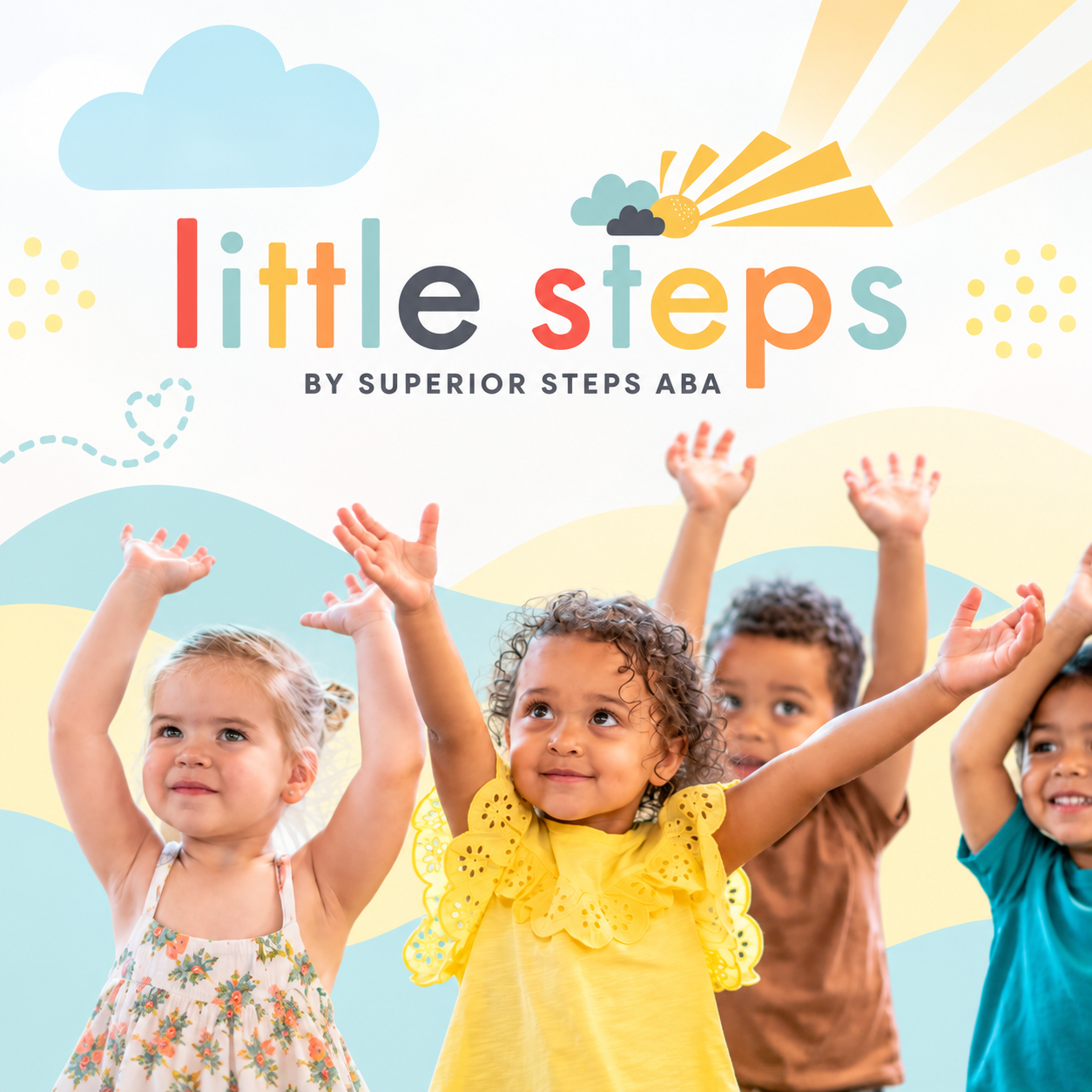
Children participate in our Learning Strategies Preschool Curriculum, which incorporates developmentally appropriate activities such as circle time, sensory play, art, music and movement, centers, peer play, and daily routines.
ABA strategies—including natural environment teaching, modeling, reinforcement, shaping, and functional communication training—are embedded throughout the day.
Individualized goals are guided by assessments such as the ESDM, which focuses on early developmental, social, communication, and play skills; the VB-MAPP, which evaluates early language and learning milestones; and MOTAS-E, which supports early learning and participation through play and everyday routines.
Our goal is to help children develop the foundational skills needed for preschool participation, including communication, imitation, following directions, transitions, functional play, peer engagement, group participation, and independence.
Skills We Can Help Your Child Build
Every child's goals are different. Little Steps programming is individualized around the skills that are most meaningful for your child and family.

Daily Living
& Independence
Building age-appropriate skills that help children participate more independently in everyday life. Depending on your child's needs, this may include eating, toileting, dressing, cleaning up, caring for belongings, and completing familiar routines.
Emotional Regulation
& Flexibility
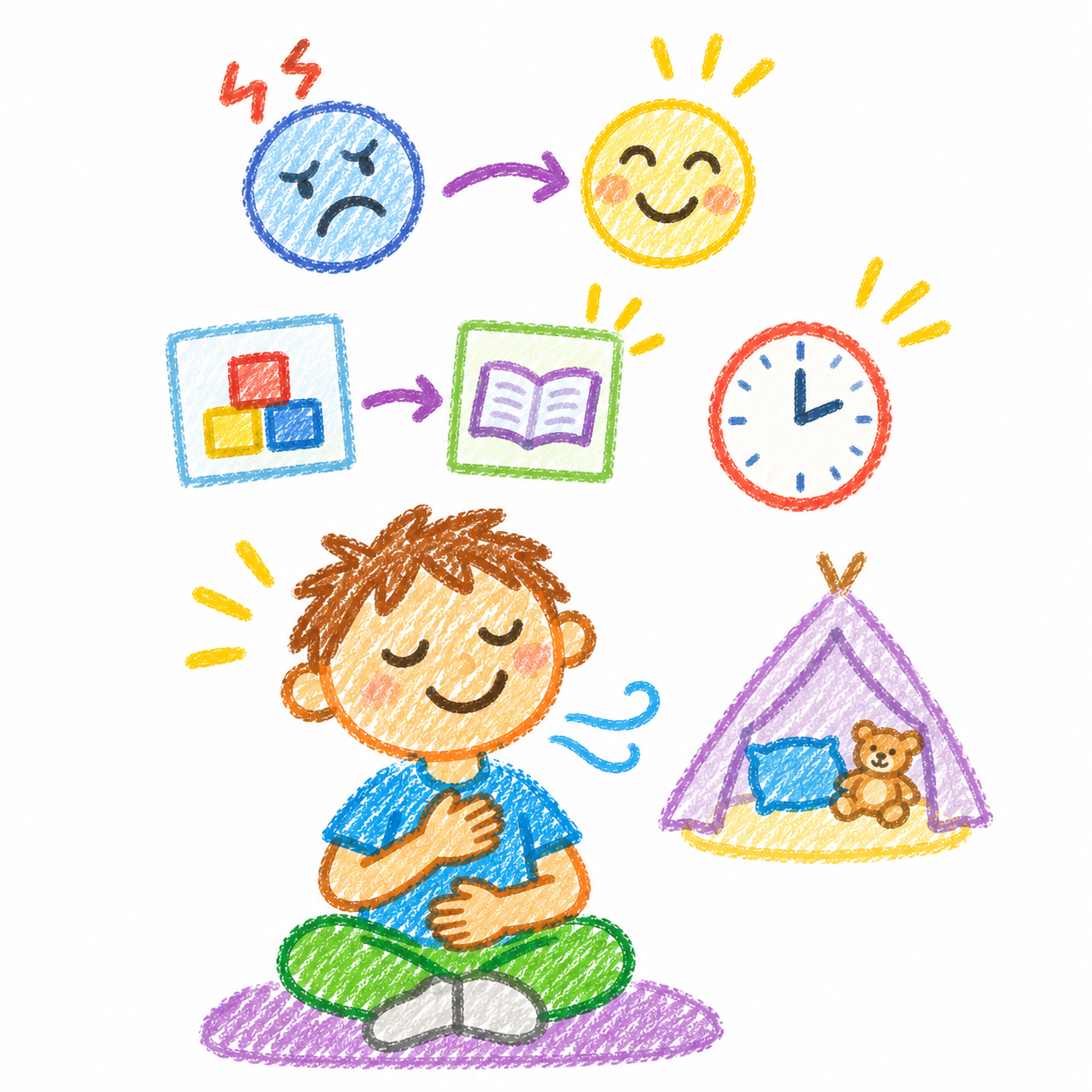
Helping children recognize and communicate emotions while moving more comfortably through everyday routines and changes. Skills may include transitioning between activities, waiting, responding to cues, handling unexpected changes, communicating during challenging moments, and developing strategies for frustration and emotional regulation.

Communication
& Language
Helping children strengthen the ways they express themselves and understand others. This may include requesting wants and needs, answering questions, following directions, building vocabulary, using gestures or communication devices, and developing conversational skills.
Attention & Early Learning
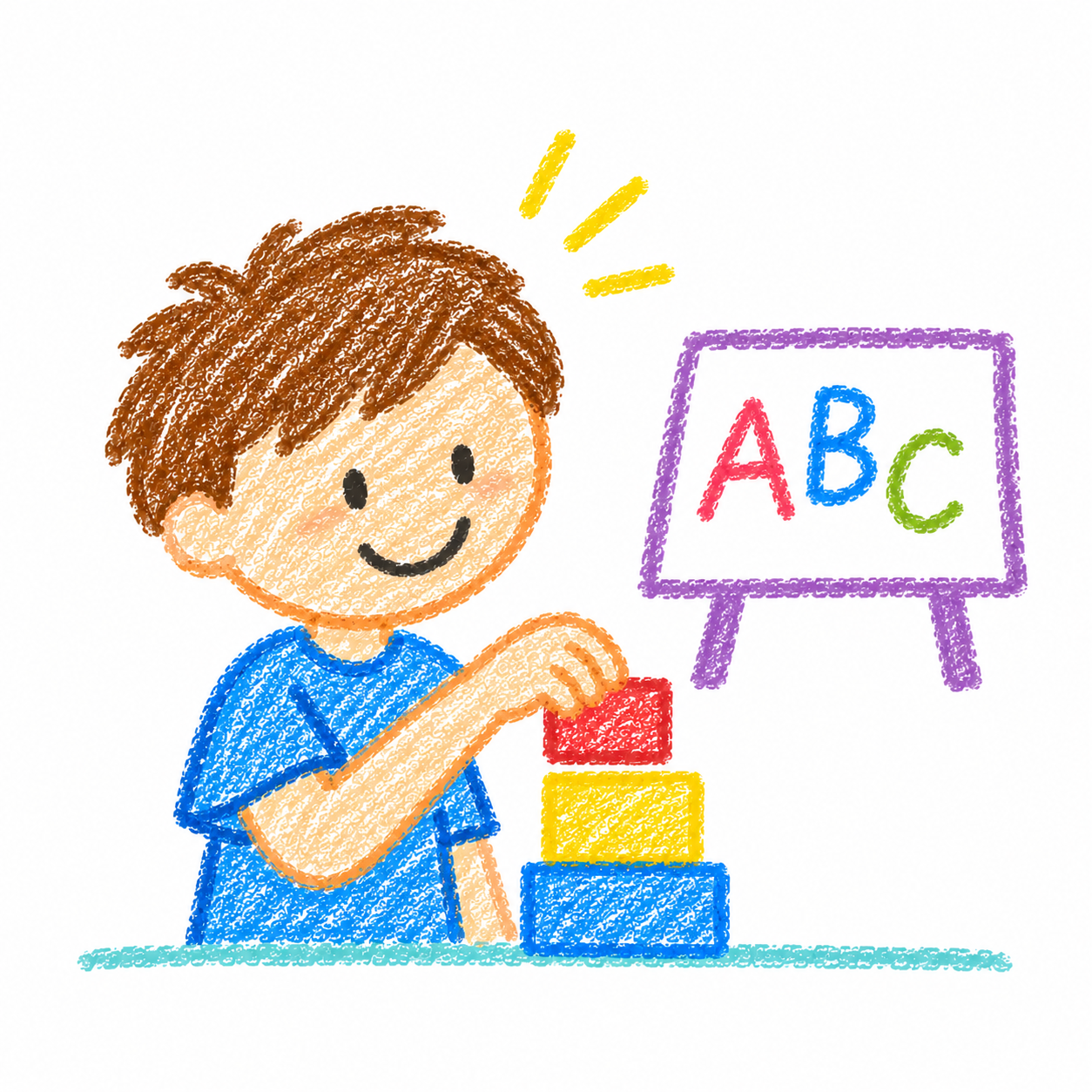
Building foundational learning skills through short, achievable activities. This can include attending to an activity, following instructions, completing simple tasks, imitating actions, participating in group learning, and gradually increasing engagement.
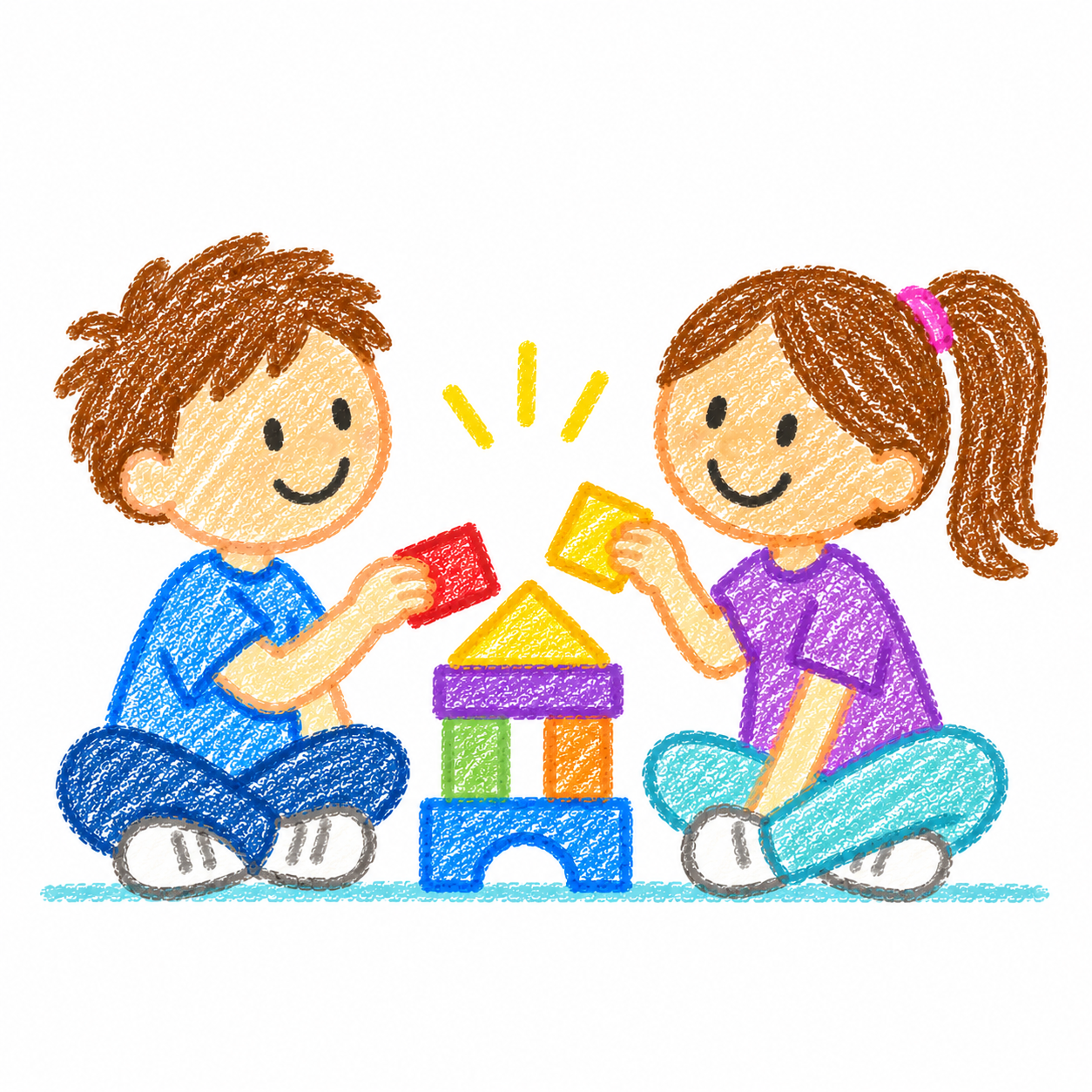
Social Interaction & Play
Supporting early social development through play and shared experiences. Children may work on skills such as engaging with peers, taking turns, sharing attention, imitating others, participating in simple games, and becoming more comfortable playing alongside or with other children.

Early School Readiness
Introducing the routines and social experiences children may encounter in preschool or school while still keeping learning appropriate for their developmental level. This may include circle time, group activities, lunch routines, lining up, taking turns, responding to group directions, and participating alongside peers.
A Day Designed for Learning & Growth
Little Steps offers flexible scheduling options to help meet the needs of children and families.
Full Day | 8:00 AM – 4:00 PM
A full day provides opportunities to work on individualized goals while practicing communication, play, daily routines, social interaction, and independence throughout different parts of the day.
Morning Session | 8:00 AM – 11:30 AM
A shorter option for children who may benefit from focused morning programming and opportunities for individual and group learning.
Afternoon Session | 12:00 PM – 4:00 PM
Afternoon programming provides another flexible option for individualized therapy, play, peer interaction, routines, and skill development.
*Your child's recommended schedule will depend on their individual needs and treatment plan.
Is Little Steps Right for My Child?
What ages does Little Steps serve?
Little Steps is designed primarily for children ages 2–6, as well as children who are currently learning at a preschool developmental level.
Does my child need to already have certain skills?
No. Children enter Little Steps with different strengths, needs, and levels of independence. Programming begins with understanding what your child can currently do and identifying meaningful next steps.
Is Little Steps only focused on preparing for school?
No. School readiness is one part of the program, but Little Steps also focuses on communication, social interaction, play, daily living, routines, emotional regulation, and independence.
The goal is to help children develop skills that can support them across home, school, and everyday life.
Is therapy individualized?
Yes. Each child's goals and programming are individualized based on their current skills, needs, family priorities, and treatment recommendations.
What is the difference between Little Steps and Mighty Steps?
Little Steps focuses on early intervention and foundational development for younger children, including communication, play, daily routines, independence, and beginning classroom skills.
Mighty Steps is designed for children who are ready for greater emphasis on structured school readiness, classroom participation, peer interaction, emotional development, and independence.
How do we get started?
Start by completing the Superior Steps intake process. Our team will learn more about your child and family, review next steps, and help guide you through the process of beginning services.
Have more questions? Contact Us